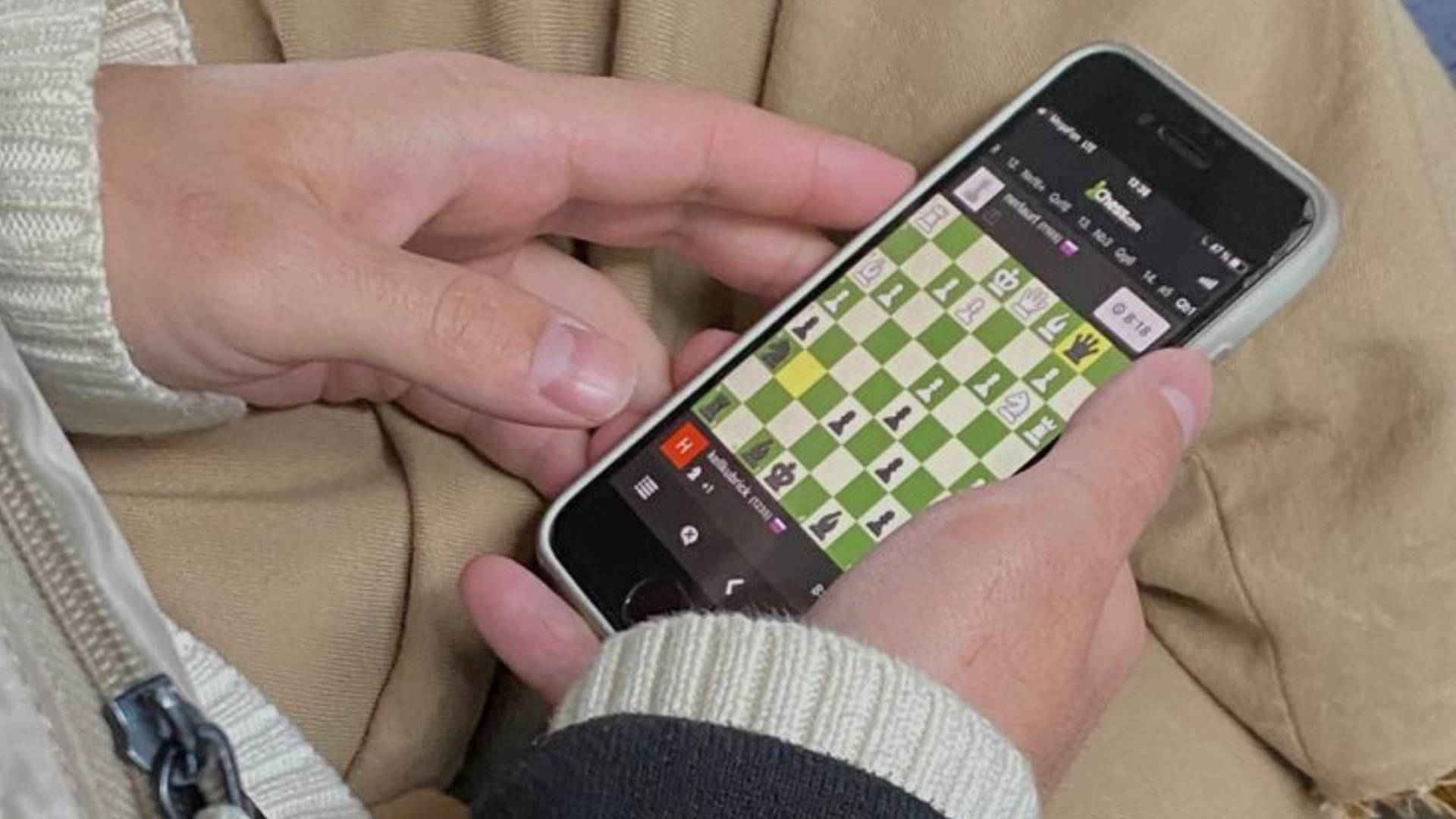
Integrating cognitive training with mathematical concepts has become a popular method for enhancing classroom engagement and personal development. Educational brain games focused on probability allow individuals to experience the laws of uncertainty firsthand through structured, interactive formats. By translating theoretical mathematics into practical situations, these exercises help players overcome cognitive biases regarding luck and variance.
The Cognitive Value of Probabilistic Puzzles
Engaging with challenges centered on probability forces the human brain to move past emotional reactions and rely heavily on systematic data analysis. These activities train the mind to process information more adaptively by placing individuals in dynamic scenarios governed by risk. Over time, consistent participation helps develop a healthier mindset when navigating everyday real-world uncertainties.
Many traditional learning environments struggle to make statistical models feel accessible or relevant to younger audiences. Interactive simulations bridge this gap by offering immediate feedback based on the mathematical choices a player makes. This hands-on loop clarifies the core behavior of random distribution while actively sharpening problem-solving capabilities.
Shifting Perspectives from Luck to Strategy
Many individuals naturally default to believing that past events directly influence future outcomes in independent trials. Educational games targeting chance systematically dismantle this illusion, known widely as the gambler's fallacy, by demonstrating true algorithmic randomness. Understanding these core frameworks transforms abstract textbook logic into practical mental tools for long-term planning.
As digital software continues to evolve, modern platforms leverage advanced systems to deliver highly engaging statistical training modules. Utilizing a secure M88 login gives enthusiasts access to various interactive platforms where they can study digital random number generation safely. Recognizing the intricate design structures behind these outcomes helps players build genuine strategic agility.
Enhancing Real-World Risk Assessment Skills
Developing robust analytical reasoning is crucial for navigating modern professional environments and personal financial decisions. Probability-based brain training games simulate the complexities of everyday choice architectures without the burden of real-world consequences. This unique methodology teaches players how to calculate expected value and evaluate changing odds dynamically.
When individuals practice calculating numerical likelihood regularly, they cultivate objective decision-making habits that counter anxious intuition. These cognitive routines encourage players to look past immediate outcomes and evaluate the broader frequency of patterns over time. Consequently, learners become much better equipped to manage risks effectively in multiple aspects of life.
Practical Classroom Integration Methods
Educators are increasingly adopting gamified tools to introduce complex laws of probability to diverse student groups. Simple dice challenges, card mechanics, and digital interactive apps offer an exceptional foundation for tracking numerical distributions cooperatively. These joint exercises foster healthy peer competition while reinforcing foundational mathematical literacy naturally.
To achieve the best results, instructors should focus on the variations between theoretical expectations and experimental data during play. Allowing students to record and analyze their own results creates a memorable learning experience that static textbooks cannot replicate. With the right balance of entertainment and theory, the science of chance becomes both approachable and intellectually fulfilling.