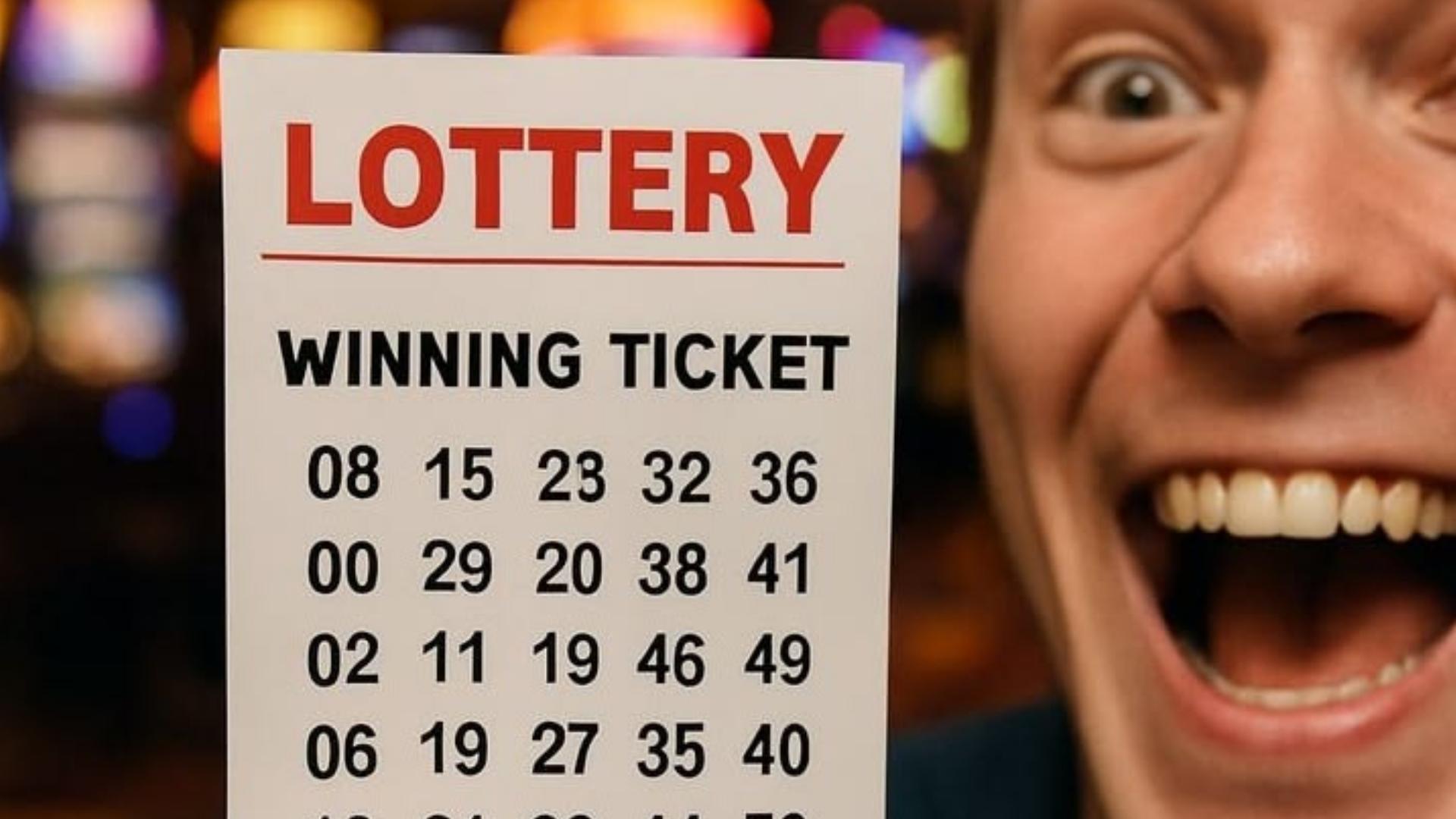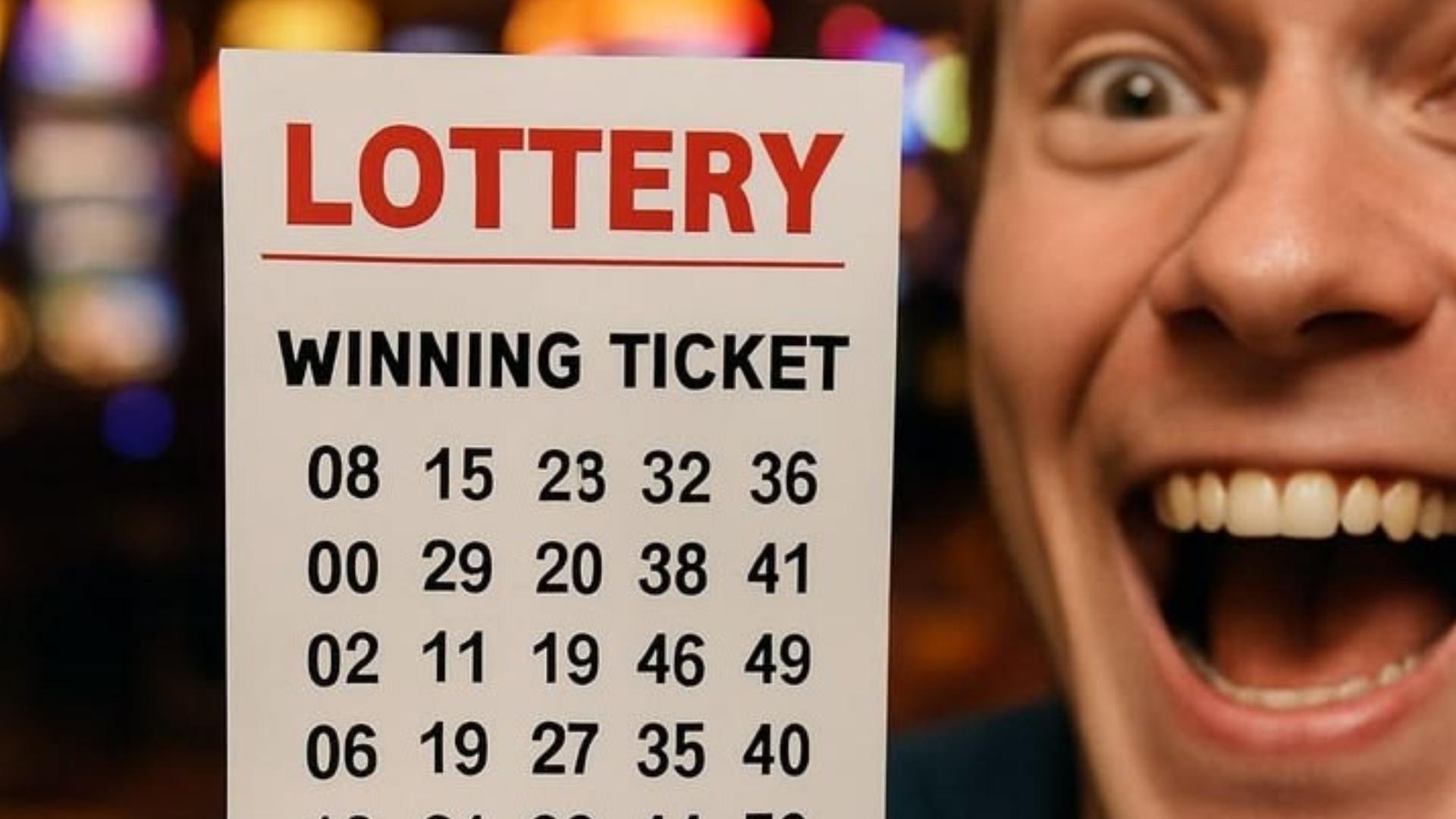
In many popular lottery and random selection games, players often wonder how likely it is for numbers to appear in a perfectly sequential order. Drawing a six-number straight—such as selecting numbers 1, 2, 3, 4, 5, and 6—is one of the most visually striking occurrences in probability-based games. While human intuition suggests this event is nearly impossible compared to mixed sequences, mathematical logic tells a more precise story about independent combinations.
The Core Mathematics of Combinations
To calculate the true likelihood of a six-number straight, one must examine the total pool of available numbers. In a standard format where six digits are drawn from a pool of forty-nine, millions of unique combinations can be formed. Each specific set of six unique numbers carries the exact same mathematical probability of being selected during a random draw.
Because every combination is equally rare, a sequential pattern like 10 through 15 has the same mathematical odds as a completely scattered combination. The perception that consecutive numbers occur less frequently arises because there are far fewer ordered sequences than non-consecutive combinations. Understanding this distinction helps players evaluate outcomes with greater analytical clarity.
Human Intuition and Cognitive Biases
Many participants instinctively avoid choosing sequential digits when selecting their combinations. Behavioral researchers note that people naturally associate randomness with chaotic, non-patterned arrangements. Consequently, seeing consecutive digits appear in a live draw creates a powerful feeling of surprise even though the underlying mechanics remain impartial.
This cognitive tendency often leads to misconceptions about how random number generators and physical ball machines operate. In reality, modern selection systems do not possess memory or awareness of geometric patterns. Recognizing these cognitive biases allows enthusiasts to separate emotional assumptions from cold mathematical facts.
Evaluating Odds in Different Pool Sizes
The precise probability of hitting a six-number straight varies significantly depending on the rules of the specific game format. In smaller number matrices, such as selecting six numbers from thirty-six, consecutive sequences represent a slightly higher percentage of the total possible outcomes. Conversely, expanding the selection matrix dramatically decreases the relative frequency of consecutive combinations.
Statistical analysts frequently use combinatorial formulas to map out the exact occurrences of sequential subsets within larger data pools. These mathematical models demonstrate that while a specific straight remains rare, the occurrence of any consecutive pair within a draw happens regularly. Analyzing these structural dynamics offers valuable insights into numerical distributions.
Practical Insights for Game Enthusiasts
Grasping probability concepts enables participants to approach numerical entertainment with realistic expectations. Recognizing that sequential patterns share equal odds with random arrays prevents common misunderstandings about cold or hot combinations. Maintaining this analytical perspective fosters a balanced and responsible mindset during long-term play.
Ultimately, studying probability theory enriches one's understanding of data analysis and mathematical modeling in modern digital entertainment. Treating draw outcomes as independent events ensures that players remain grounded in statistical logic rather than intuitive guesswork. A rational approach remains the best foundation for exploring any probability-based activity.